Natural-leaf kratom is still federally legal today, and no federal agency has proposed scheduling it. What changed this week is the pressure: eight U.S. senators are asking the DEA and FDA to toughen a pending order on concentrated 7-OH products, and their letter goes further in tone than the order does.
The 60-second version
- WhoSenate Judiciary Chairman Chuck Grassley (R-Iowa) and seven Republican colleagues.
- WhatA November 16 letter asking the DEA and FDA to explain and reconsider their October plan for 7-OH.
- The quoteThe senators wrote that “all Kratom is unsafe.”
- TodayGrassley is meeting in Washington with mothers who lost children, an event carried live by national media.
- UnchangedThe DEA’s plan targets concentrated 7-OH and a related compound. It does not schedule kratom leaf or mitragynine.
How we got here
- DEAProposes Schedule I for 7-OH above 0.05%.
- SenateThree senators ask agencies to consider scheduling the entire kratom plant.
- DEARevises its plan. The 7-OH limit rises to 0.1% and now covers mitragynine pseudoindoxyl (MP) too.
- SenateEight senators ask DEA to go back to 0.05% and write that “all Kratom is unsafe.”
- SenateSen. Grassley meets with families in Washington.
- Deadline the senators set for a written reply.
Status on November 18: no order has been published. Kratom leaf is not federally scheduled.
Two positions, side by side
The senators asked for a reply by November 30, 2026.
The DEA is not endorsing kratom either. Its notice says products under the threshold should not be assumed safe, and that it still views kratom, mitragynine and 7-OH as “drugs of concern.”
What changes for kratom leaf today
Nothing, legally. As of November 18, no order has been published, so even the 7-OH restrictions are not yet in effect. That can change on any business day, and the order applies the moment it publishes.
If it publishes as written:
- Concentrated 7-OH and MP products above the threshold become Schedule I.
- Kratom leaf and mitragynine stay unscheduled at the federal level.
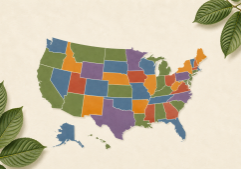
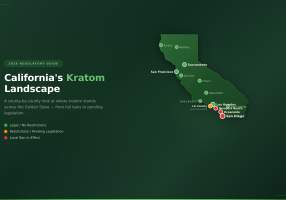
- State and local laws still apply. Check yours on our Kratom Legality by State hub.
Background: DEA Schedules 7-OH: What It Means For Natural Kratom.
What you can do (about 10 minutes)
- Contact your two U.S. senatorsFind them at senate.gov. Ask them to keep the federal line between kratom leaf and concentrated 7-OH. It matters most in the signers’ states: Iowa, Maine, Florida, Idaho, Louisiana, Kansas and West Virginia.
- Join tonight’s American Kratom Association webinar8:30 PM ET. Register at americankratom.org.
- Know your state before JanuaryLegislatures reconvene and new bills are expected. Bookmark the Kratom Legality by State hub.
Not sure what to say? Use this script
“Hi, my name is ___ and I’m a constituent from ___. I’m calling about the DEA’s pending 7-OH scheduling order. I support restricting concentrated 7-OH products, and I’m asking the Senator to keep the federal distinction between those products and natural kratom leaf. Thank you.”
Quick FAQ
Is kratom being banned federally right now?
No. Kratom leaf and mitragynine are not federally scheduled, and the pending DEA order does not change that. Several states and localities have their own bans.
Does the DEA’s 7-OH order cover kratom leaf?
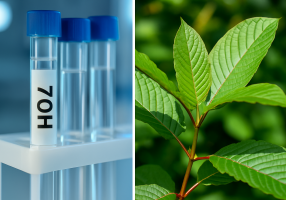
Not as written. It applies only above a threshold of 1 mg of 7-OH (or MP) per gram, combined with a mitragynine-to-7-OH ratio under 100. The DEA notice describes 7-OH in the natural plant as a trace component, under two percent of total alkaloids.
Did the senators ask for a ban on all kratom?
Not in this letter. Its formal requests concern the 7-OH threshold and MP. An earlier letter on October 7, signed by three senators, asked the agencies to consider scheduling the entire plant.
Sources
- Grassley press release and letter, November 16, 2026
- DEA notice of intent, Federal Register, October 14, 2026
- Grassley, Lee and Collins letter, October 7, 2026
- Congressional Research Service summary of the 2026 scheduling actions
- Pain News Network coverage, November 17, 2026
These statements have not been evaluated by the Food and Drug Administration. This post is news and advocacy information, not legal advice.